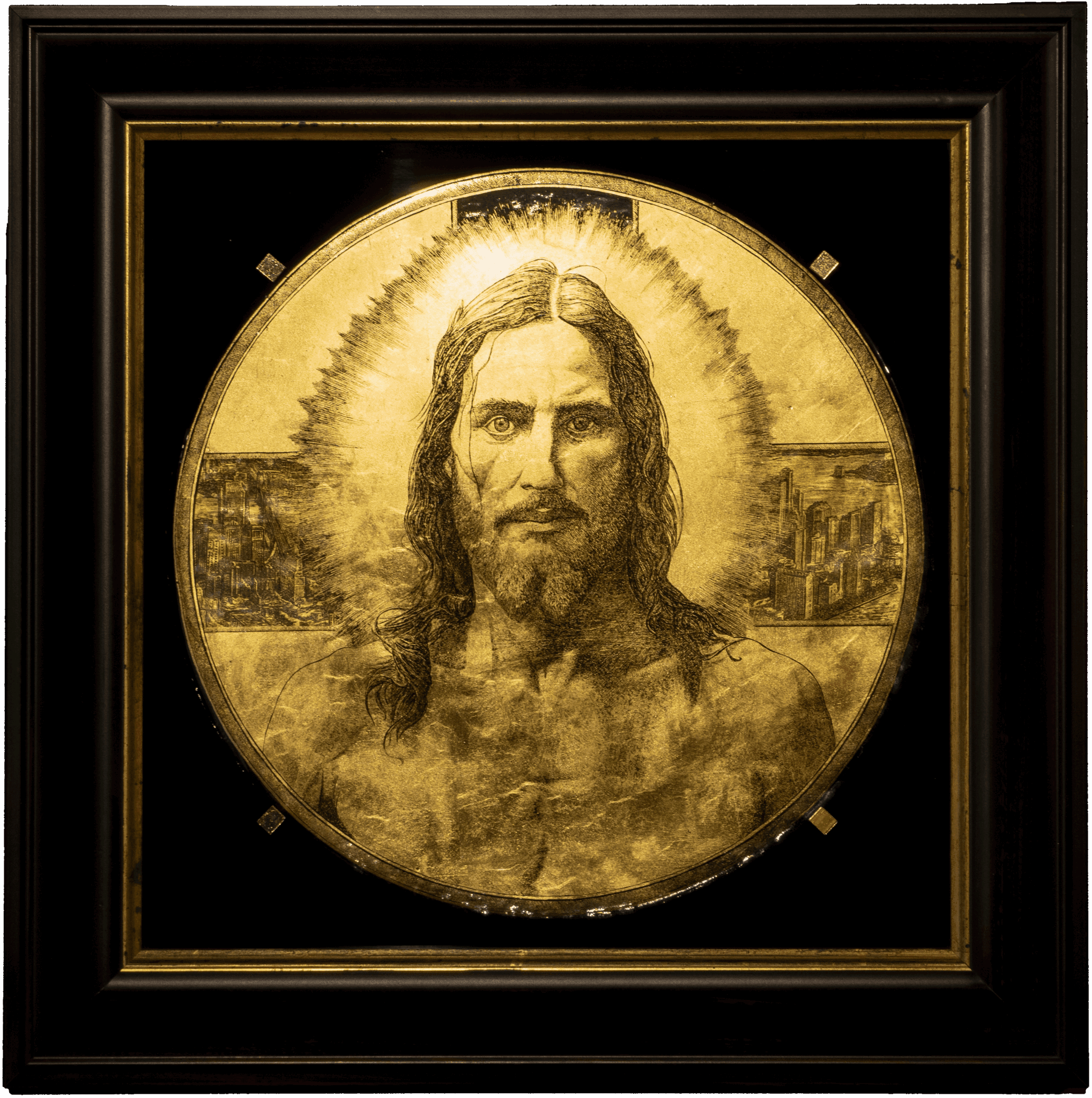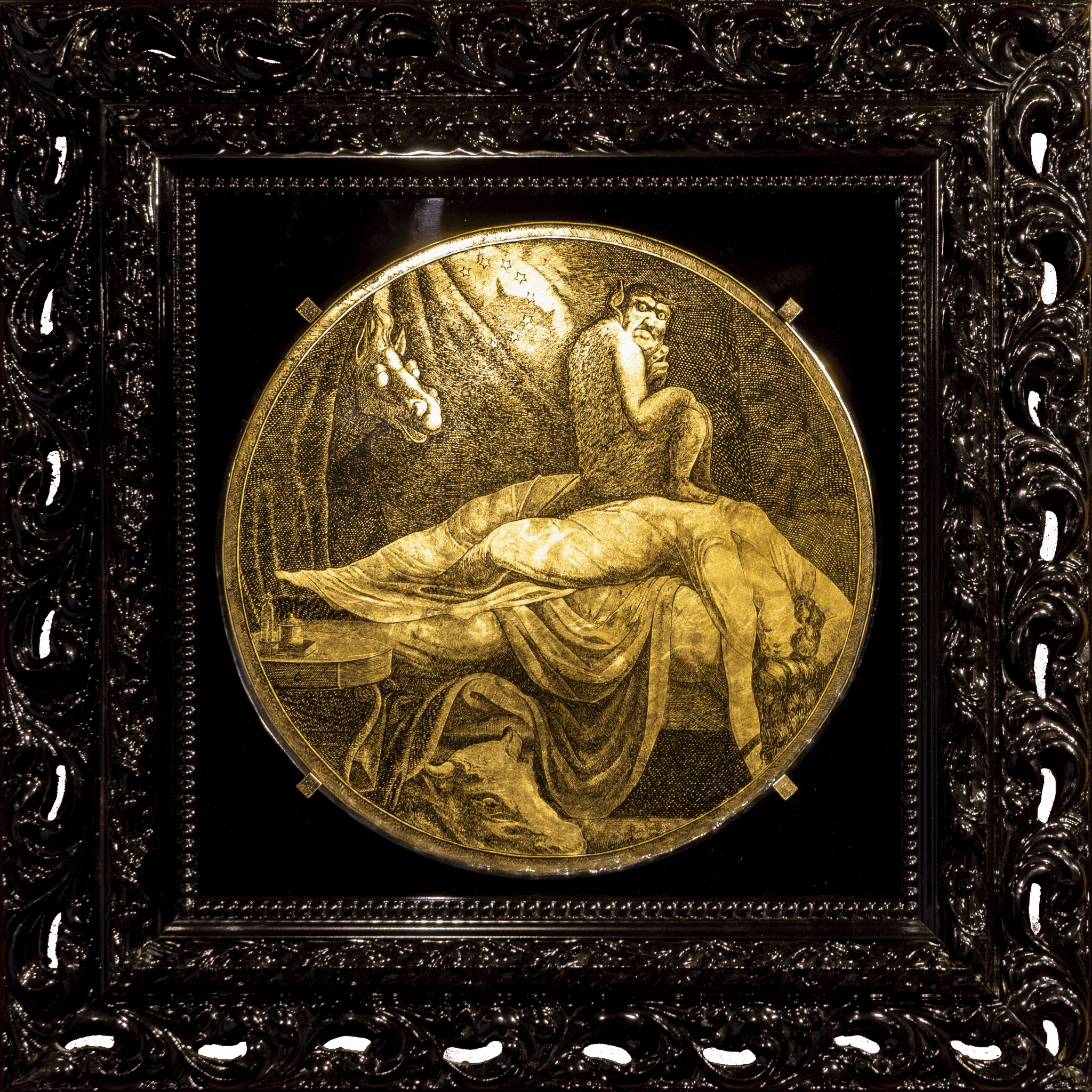
The Artist
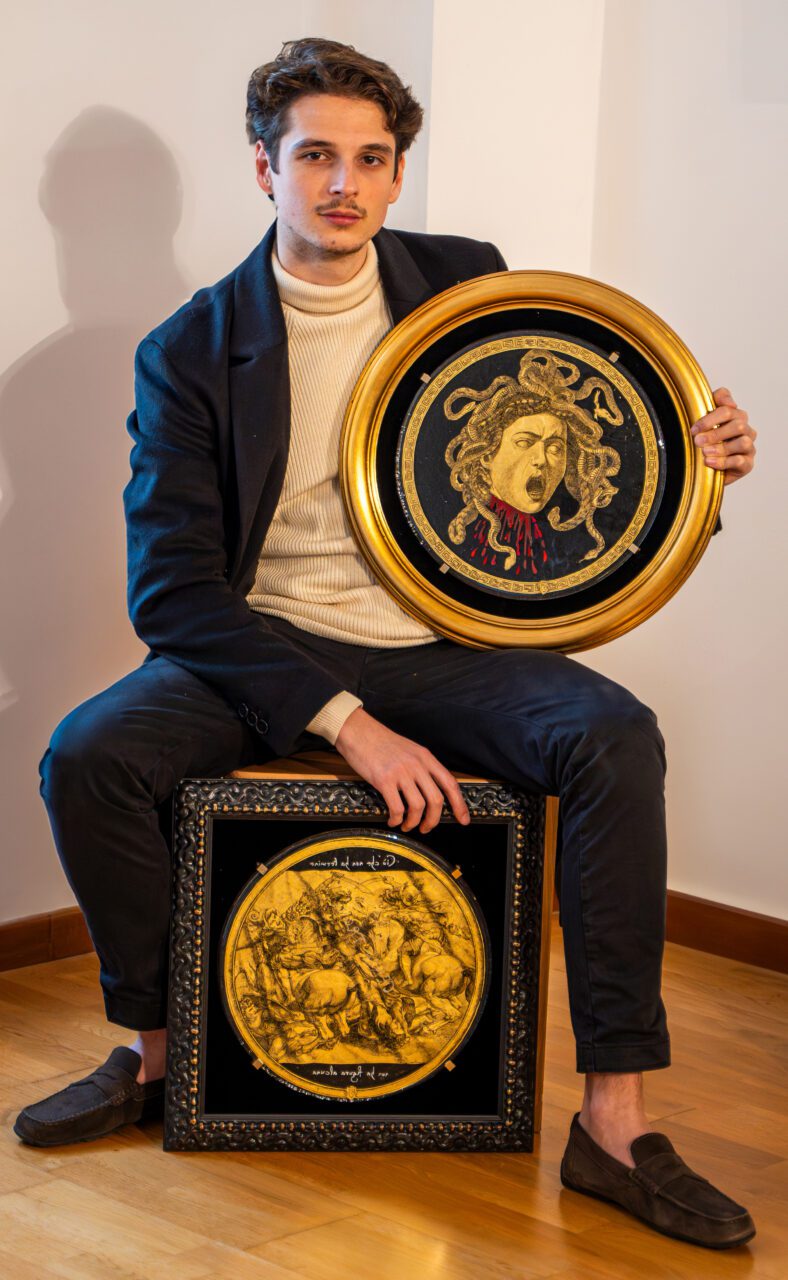
Riccardo Toso Borella
Born in 1997, Riccardo was born in Venice and has lived on the island of Murano all his life. From an early age, his exceptional talent for drawing and a profound creative vocation were already evident. After completing his classical secondary education, he embarked on a long process of technical and artistic training spanning a wide range of disciplines, from music to Graffito. During his years of apprenticeship with his father, Riccardo attended the International University of Art in Venice, where he was first awarded a scholarship as the best student of his year and subsequently obtained a diploma as a Restoration Technician.
Alongside this commitment, he pursued his passion for singing and piano, studying for several years at the Benedetto Marcello Conservatory of Music in Venice. He later enrolled in the Art History programme within the Faculty of Conservation and Management of Cultural Heritage and Activities at Ca’ Foscari University of Venice, where he was awarded two merit-based scholarships and graduated with honours.
His thesis once again brought him back to his roots: The Wooden Dossals of the Lost Scuola Grande di San Giovanni Battista dei Battuti of Murano. The research distinguished itself through its attentive examination of the iconographic programme of the sculptural cycle and Morando’s bas-reliefs, as well as for its bold interpretative observations
The Toso Family Coat of Arms
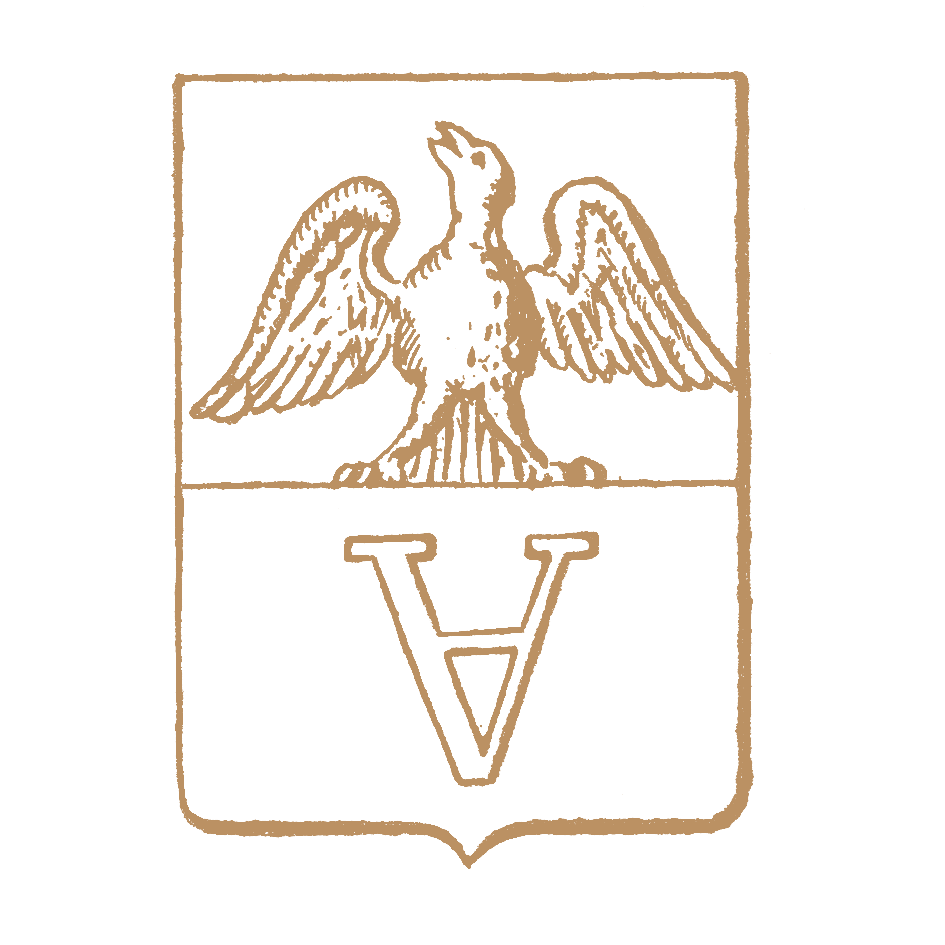
The Toso (or Tosi) family has been present in Murano since the mid-14th century. As you can read in Murano Family Coat of Arms by Marco Toso Borella, Venice, 2001, the coat of arms appears «in the “Libro d’Oro di Murano,” a registry established in 1601 and opened in 1605, listing those who, being born on the island to a father also from Murano or the Venetian state, could join the councils, practice the art of glassmaking, enjoy the broad privileges of the “Magnificent Community” of Murano, hold public office, and, consequently, have the opportunity to mint coins bearing their names and coat of arms.»
The coat of arms also appears on the Oselle minted in 1741 and 1742, which were true currencies «Murano had the privilege of minting, the only one other than Venice among the cities of the Serenissimo dominion» engraved with the names and coat of arms of its most illustrious citizens: Camerlenghi and Deputies. These were silver, or in some cases, gold coins, named for replacing, from 1521 onward, a gift the Doge used to give annually to the Venetian patricians and that could no longer be satisfied in kind: five red-legged wild ducks, “oseli de valle.” precisely.
The first known example of a Murano osella dates to 1561, but it is certain that others had been issued earlier. Regarding the Toso or Tosi coat of arms «The enamels present are the blue of the lower field and the gold of the inverted ‘A’» The letter derives from the Phoenician alphabet, where it is called ‘Alph’, meaning bull, reminiscent of its appearance when inverted. It symbolizes life and fertility, and as the first letter of the alphabet, it also signifies a beginning. In the upper field stands an eagle, symbolizing Zeus, denoting the coat of arms as an «earthly life – divinity symbiosis» Other Toso arms can be found in Murano, engraved or sculpted, two of which are in the Church of SS. Maria e Donato, and one in Fondamenta Manin, of modern workmanship.